

Richland police discuss safeguards for automated license plate reader technology
- Posted on August 28, 2026
- By Google News
- 0 Views
- 10 min read
In brief
Generating AI summary…
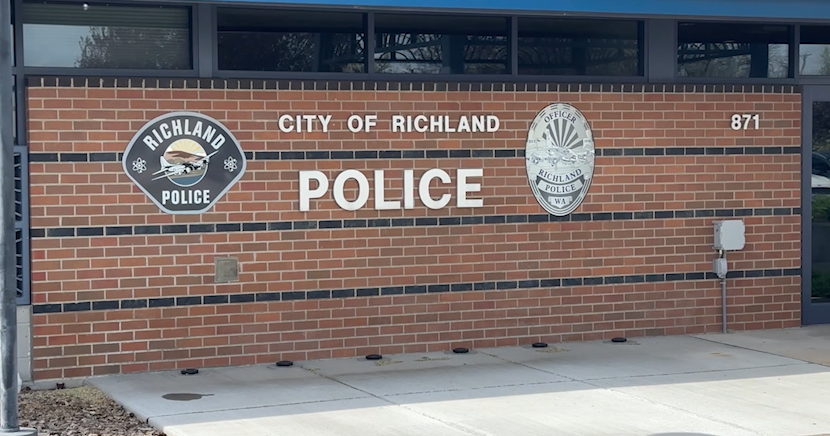
Richland police discuss safeguards for automated license plate reader technology
The BriefThe Richland Police Department shut down its automated license plate reader (ALPR) system in 2026 to comply with Senate Bill 6002, which placed significant restrictions on ALPR use and prohibited collection at schools, places of worship, food banks, courts, healthcare facilities and immigration facilities.Police Chief Martin Pilcher told city council that the department maintains strict control over ALPR data with no automatic sharing to other agencies or national databases, and all searches must be documented with case numbers, purposes and offense types for audit purposes.The department expects to reactivate the ALPR system within the next month after completing training, policy finalization, compliance reviews and system testing to ensure compliance with state law.Richland — The Richland Police Department is preparing to reactivate its automated license plate reader system with strict data controls and privacy protections designed to comply with new state law and protect residents' information.During a recent Richland City Council workshop, Police Chief Martin Pilcher provided a detailed overview of how the ALPR system works, what safeguards are in place, and why the department shut down the system in 2026.Senate Bill 6002, passed during the 2026 legislative session, placed significant limits on ALPR use and prohibited data collection at specific locations including K-12 schools, places of worship, food banks, courts, protected healthcare facilities and immigration matter facilities. In response, the Richland Police Department shut down its ALPR system to evaluate the changes and ensure compliance with the new restrictions."This is something we've been preparing to avoid for my entire time here. But here it is," Pilcher said, noting that the department has since registered its systems with the Washington State Attorney General's office.The Richland Police Department operates two types of ALPR systems. The Axon Fleet system is installed in all patrol cars and has been in use for several years, providing both traditional in-car camera capability and automated license plate reader functionality. The department recently completed installation of ten Axon light post cameras at key locations throughout the city, including areas where people enter and exit Richland and at busy intersections. These cameras provide real-time access capability for officers and emergency personnel responding to incidents.The ALPR system collects plate images, vehicle context images, direction of travel, visible vehicle attributes such as color, make and model, and the time and location where information was gathered. It is designed as an investigative tool for felonies and gross misdemeanors, such as violations of no-contact orders, certain assaults and thefts, and DUI cases. The system is not facial recognition technology, nor is it used for automated enforcement of traffic infractions such as speeding or red-light violations."It does not make a determination that a vehicle or a person has committed a crime," Pilcher said.The department maintains strict controls over access to ALPR data. Not all police department personnel have access to the system. Every search must be documented with a case number, purpose and offense type. All searches and any shared data are logged in the system and can be audited for compliance and accountability.Under state law, routine information collected by the system must be deleted after 21 days, unless that information becomes part of an active investigation. If a case indicates that information should be retained, it can be held for a longer period of time, similar to how other evidence in a crime is retained depending on the severity of the offense.The Richland Police Department controls all data collected through the ALPR system. There is no automatic sharing of data with other agencies or placement into a national database. The department's data is stored in evidence.com, an Axon product similar to where all body camera footage is maintained. Any sharing of data with other agencies must be approved by the department each time a request is made."There is no automatic cross-agency access, and our sharing of our data has to be approved by us," Pilcher said. "Each time, it's not something that someone can get into our system and then take that information."The department uses a "hotlist" system to enter information into the ALPR database. This includes stolen vehicles, vehicles connected to felonies, vehicles associated with individuals who have significant warrants, and vehicles connected to missing and endangered persons cases. When the ALPR system detects a vehicle on the hotlist, officers are alerted to its location."It is my understanding that if something — information is pulled and used in a case — that is then available for public records request," Pilcher said.Access to the system, searches conducted within it, and any data shared are all logged and can be audited. Council Member Meyer asked who conducts these audits, and Pilcher responded that the department's records management division is the primary auditor of all such systems.The Richland Police Department's ALPR function remains turned off as police complete training, finalize policies, configure access and retention controls, and conduct compliance reviews. The department expects to be ready to reactivate the system within the next month, pending successful testing to ensure the system operates as intended."We want to make absolutely sure that everything has been addressed appropriately, and then have a period in which we can test the system to see that it is doing what we expect it to do and what it is advertised to do," Pilcher said.The department will continue to monitor ALPR use, access and compliance through audit controls after activation.
News
Suspect arrested at Harrah home in connection to Wapato shooting that injured 1
Robert Desaulniers
News
Yakima police address concerns over Flock cameras at community event
Tyler Wargo
News
Man taken into custody in connection to grass fire near busy Kennewick road and highway
Robert Desaulniers
News
Lawyer: ICE-Yakima Police video not enough to prove illegal coordination
Caleb Stipkovits
COPYRIGHT 2026 BY APPLE VALLEY NEWS NOW. ALL RIGHTS RESERVED. THIS MATERIAL MAY NOT BE PUBLISHED, BROADCAST, REWRITTEN OR REDISTRIBUTED.